An Ireland Odyssey in Five Acts
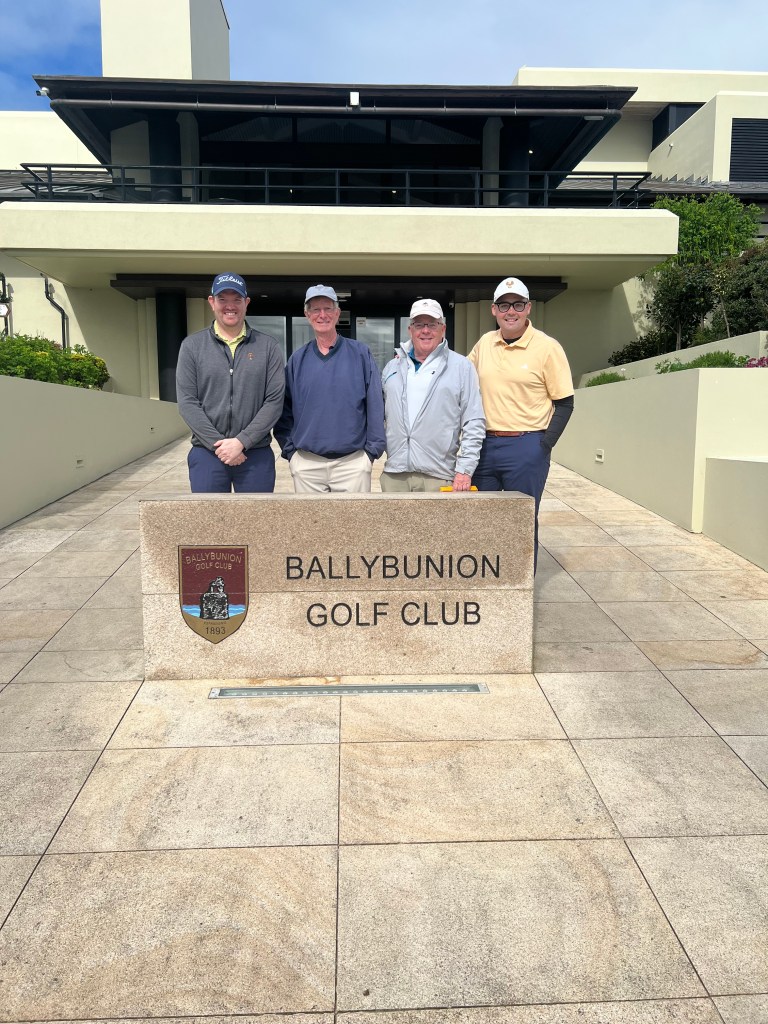
There are golf trips, and then there are adventures that become woven into a family’s mythology — stories recounted during holidays, shared over pints, and treasured long after the scorecards have faded. Ours began with a simple idea: my father, Tim Tynan, my uncle, Bill Higgins, my cousin, Will Higgins, and I set out to explore the western edge of Ireland, playing the legendary links that embrace its dramatic cliffs and rolling dunes. What we never anticipated was the deep bond we would form with the land as it resonated with our hearts.
Ireland’s Atlantic coast transcends being merely a golf destination; it stands as the cradle of the game, shaped by wild winds, sculpted by the sands, and revered by generations who understood that authentic golfing greatness springs from the land itself. Each course along our path — Old Head, Ballybunion, Waterville, Tralee, and Lahinch — reveals a distinct essence: exhilarating drama, unwavering purity, enchanting poetry, captivating myth, and deep mystery.
But the true essence of the experience transcended the game of golf.
It was the four of us journeying along the same fairways, savoring the same breezes, and witnessing the Atlantic light shimmering across the dunes. It was an extraordinary moment that felt both fleeting and timeless — the kind of experience you don’t fully appreciate until you’re back home.
This is the tale of that pilgrimage.
A breathtaking coastline.
A resilient family.
A game that uncovers more than it demands.
OLD HEAD: A VISUAL SPECTACLE
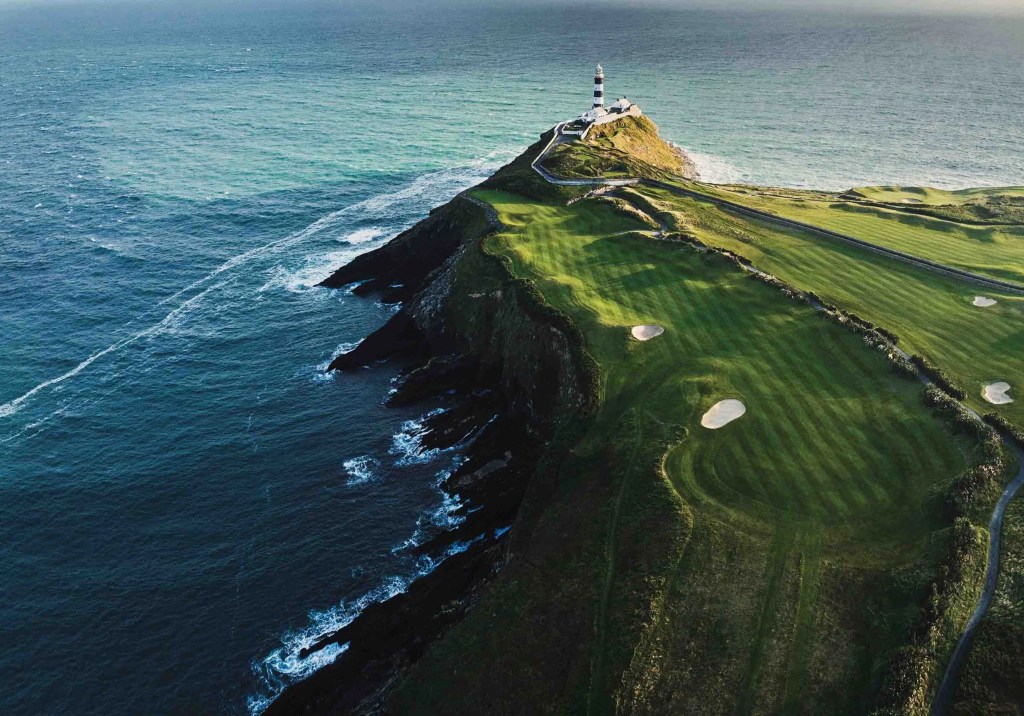
I began the journey with my father, Tim, my uncle Bill, and my cousin Will — three generations of family, four sets of clubs, and one shared dream of seeing Ireland’s greatest links. Our first stop was Old Head, a place that feels less like a golf course and more like a cinematic location scout’s fever dream.
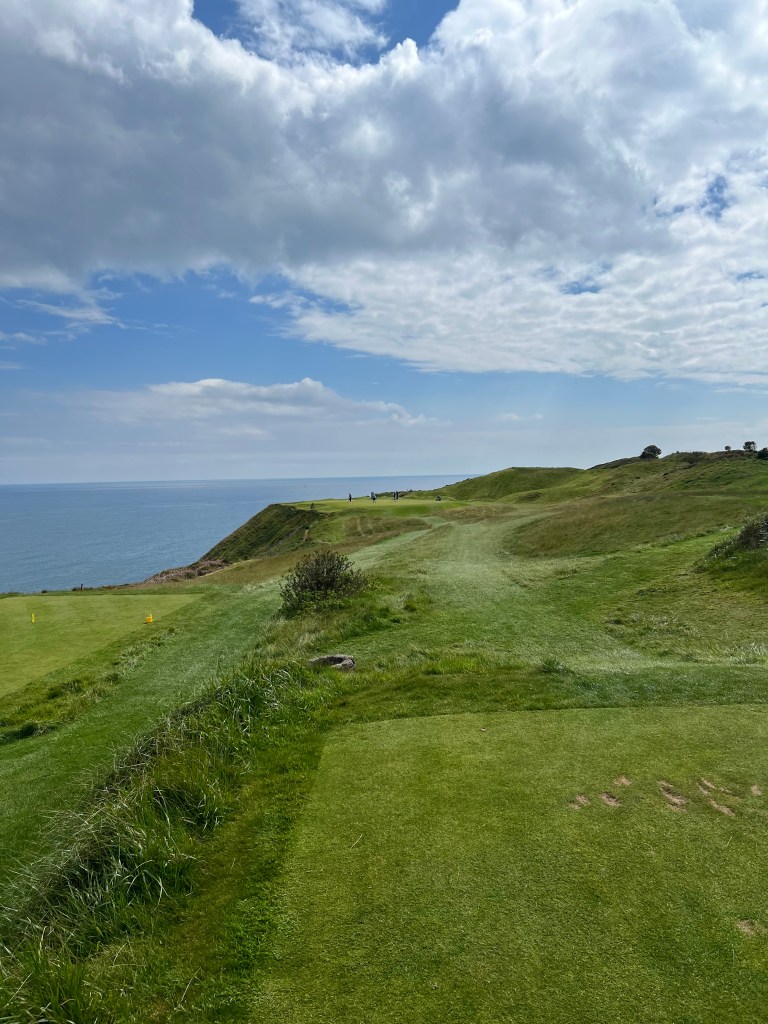
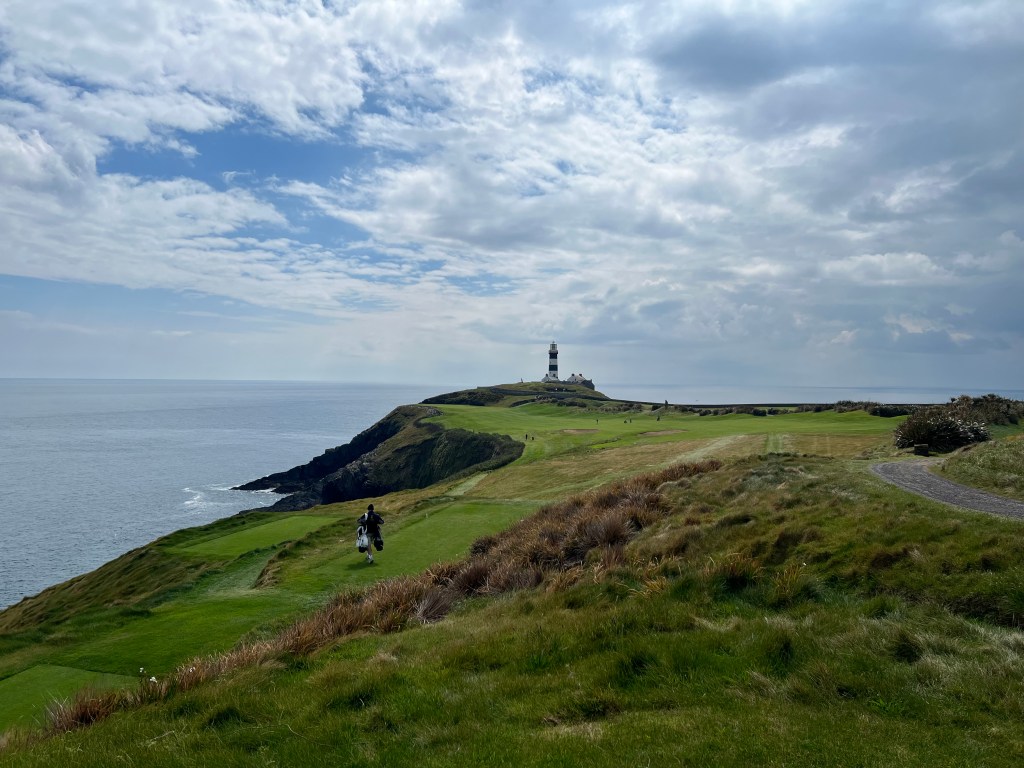
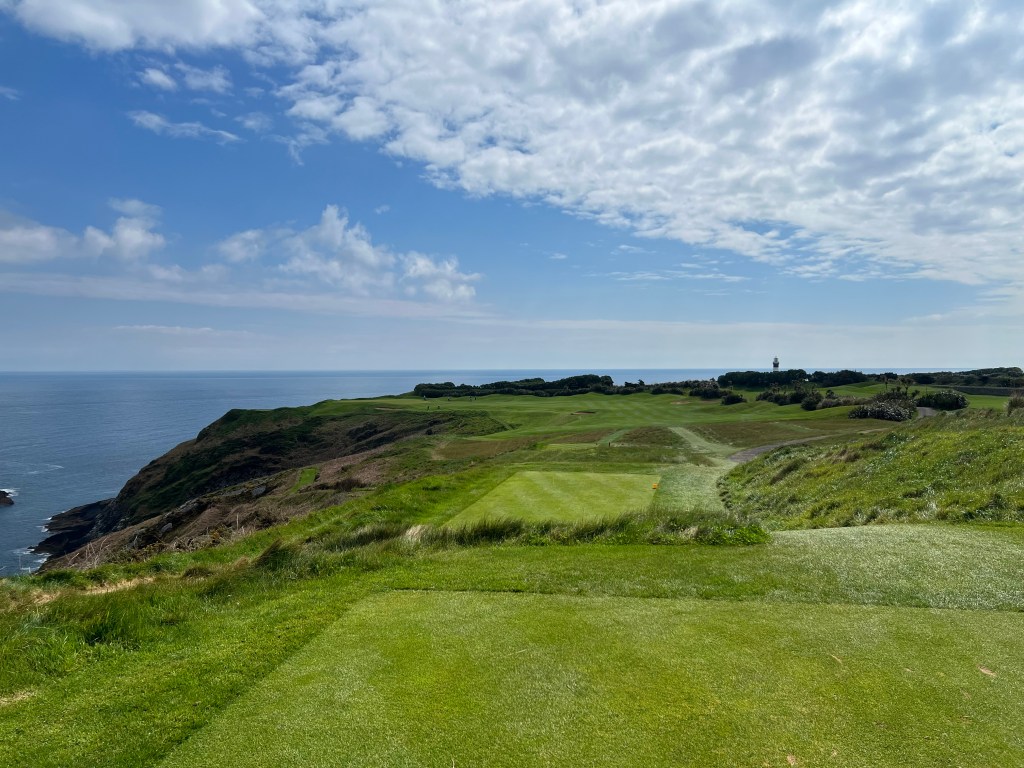
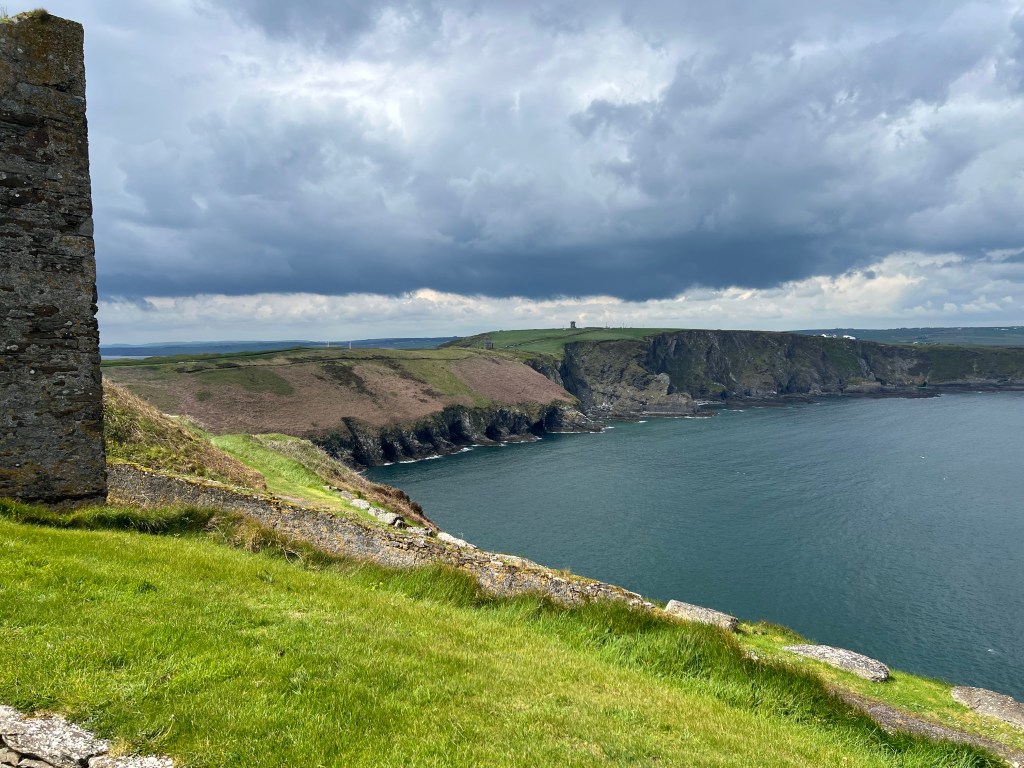
The 220‑acre headland juts into the Atlantic like the prow of a mythic ship, its cliffs dropping nearly 300 feet into the sea. Old Head didn’t feel like something to be survived; it felt like something to be visually cherished. Every hole unfolded like a moving painting — fairways draped along cliff edges, greens perched on headlands sculpted by wind and time, the lighthouse standing sentinel like a guardian of maritime lore.
Nine holes play directly along the cliffs. Several tee boxes feel suspended in mid‑air. Even the inland holes carry a windswept elegance framed by ancient stone walls.
BALLYBUNION: The Ancient Cathedral of Dunes
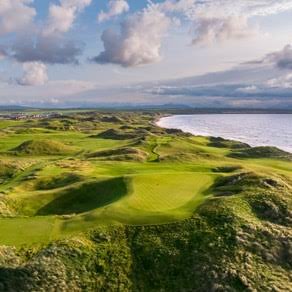
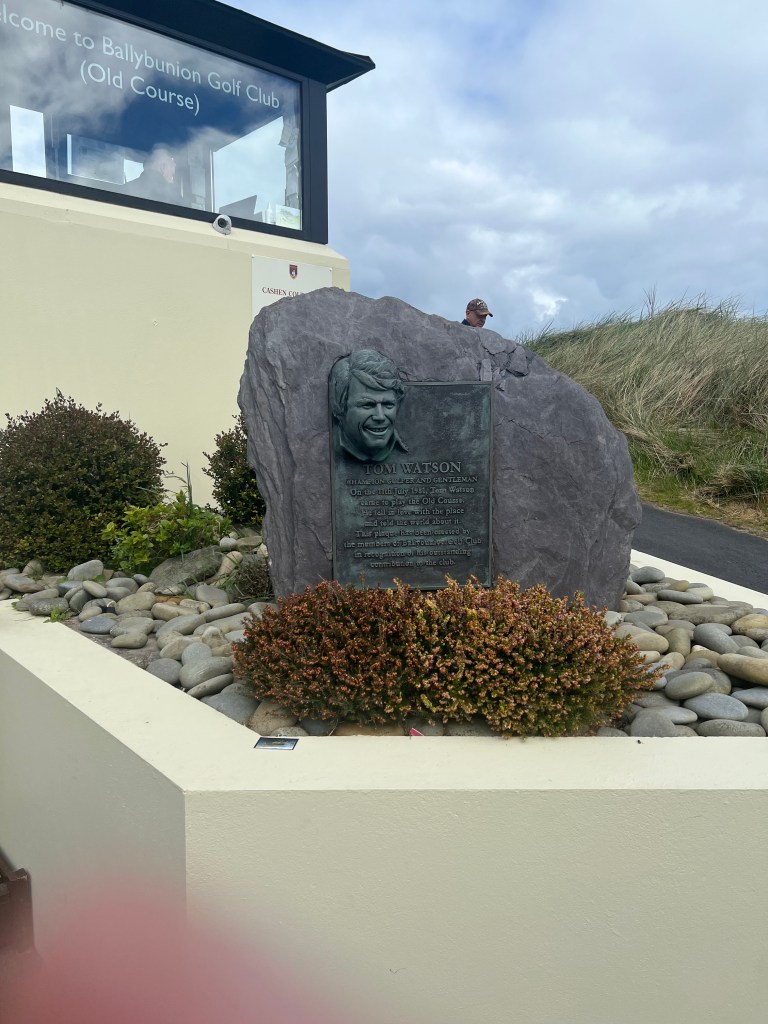
From Old Head, the four of us drove north to Ballybunion, where the dunes rise like ancient giants and the fairways twist with a kind of mischievous wisdom. The Old Course is revered for its raw, natural grandeur — a place Tom Watson once called the best in the world.
What makes Ballybunion unforgettable is its sense of inevitability. The land feels predestined for golf. The opening hole plays alongside an ancient cemetery, a reminder that golf here is not a pastime but a lineage.
The dunes on the back nine are enormous, almost architectural in their scale. The par‑4 11th drops from an elevated tee into a valley of dunes that looks carved by the gods. The par‑3 15th, perched on a dune shelf above the sea, is one of the most photographed holes in Ireland — but no photo captures the hum of the wind or the way the green seems to hover between land and ocean.